


Start with a Kitchen-Cupboard Approach
Herbs are at their best in winter as gentle, everyday support rather than as replacements for proper medicine. They can ease a tickly cough, take the sting out of a sore throat and help you rest, but they work alongside sleep, fluids and warmth – not instead of them. The herbs below are widely available, well tolerated by most adults in normal amounts, and easy to grow or buy dried.
A word on quality before you begin. Dried herbs lose their potency after about a year, so buy small quantities, keep them in a dark jar away from the heat of the hob, and smell them before you brew. If they smell of dust, they will taste of dust. Growing your own is even better: thyme, sage, mint and chamomile all thrive in pots on a sunny windowsill or a sheltered patio, and a fresh sprig picked in January beats a tired pinch of something from the back of the cupboard.
Try one herb at a time when it is new to you, keep the dose modest, and stop if your stomach or skin objects.
Thyme for the Ticking, Chesty Cough
Thyme is the reliable workhorse of the winter herb shelf. Its volatile oils help relax the airways and loosen stubborn mucus, which is why it has been used in cough syrups for centuries.
To make an infusion, put one teaspoon of dried thyme or three fresh sprigs in a mug, pour over 250ml of just-boiled water, cover with a saucer to keep the oils in, and steep for eight to ten minutes. Strain and drink up to three mugs a day, sweetened with honey if you like – but only for anyone over twelve months old, as honey is not safe for babies.
If you grow thyme, give it full sun, gritty compost and sparing water. It hates wet feet far more than it hates cold, and a well-drained pot will crop for years.
Sage and Salt for a Raw Sore Throat
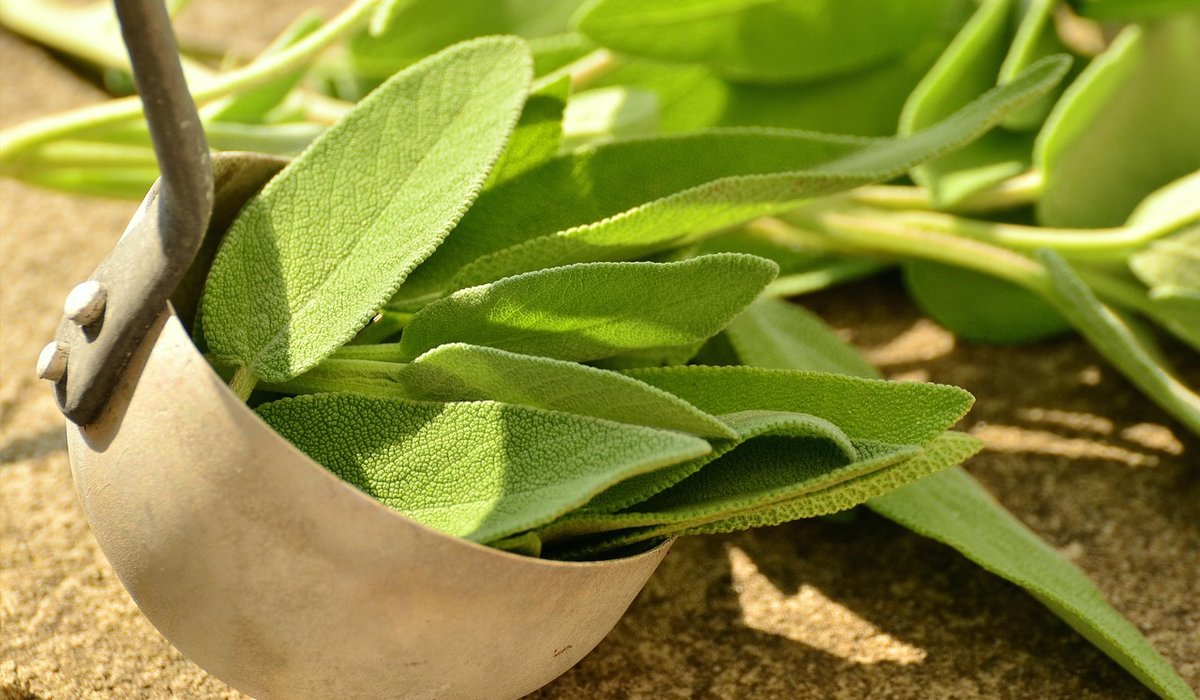
Sage is astringent, mildly antiseptic and genuinely soothing when a throat feels scraped. A traditional gargle is simple: pour 300ml of boiling water over two teaspoons of dried sage (or a generous handful of fresh leaves), cover, steep for ten minutes, then strain and cool until comfortable. Add a small pinch of salt, gargle for twenty to thirty seconds, and spit it out. Repeat up to three or four times a day.
Avoid swallowing sage in medicinal amounts if you are pregnant or breastfeeding, and take advice first if you have epilepsy or an oestrogen-sensitive condition. Sage tea also reduces sweating, which some people find helpful for drenching night sweats – but do mention persistent night sweats to your GP.
Elderberry and Echinacea When a Cold Is Brewing
Both of these are best started at the first suspicious sniffle rather than three days into a streaming cold. Elderberry syrup is widely sold and pleasant for adults and older children; follow the bottle's dose rather than improvising, and note that raw elderberries must never be eaten.
Echinacea is usually taken as a tincture or tablet for a week or two at a time. It is not suitable for everyone – steer clear if you have an autoimmune condition, take immunosuppressant medication, or react badly to plants in the daisy family, since echinacea belongs to it. If you are unsure, ask your pharmacist.
Demulcents for Dry, Scratchy Coughs
When the cough is dry and rasping rather than productive, the aim is to coat and moisten. Marshmallow root, mullein and slippery elm are the classic demulcents, forming a silky gel that settles irritated tissue.
- Marshmallow root cold infusion: two teaspoons of dried root in 250ml of cold water, left to stand for four to eight hours, then strained and sipped through the day.
- Mullein tea: one to two teaspoons of dried leaf per mug, steeped for ten minutes, good for a hard, dry cough that keeps you awake.
- Liquorice: effective but not for everyone. Avoid it if you have high blood pressure, heart or kidney problems, or are pregnant, and do not take it for more than four to six weeks.
When to Seek Professional Advice
Herbal support has limits, and knowing where they are is part of using it well. Speak to your GP or call NHS 111 if any of the following apply.
- A cough lasting more than three weeks, or one that is worsening rather than settling.
- Coughing up blood, or rust-coloured, green or foul-smelling sputum.
- New breathlessness, chest pain, or wheezing you have not had before.
- A temperature above 38°C lasting more than three days, or feeling drowsy, confused or very unwell.
- Any fever in a baby under three months, or a cough in a baby under one year – honey is not safe for infants.
- Pregnancy or breastfeeding, where many herbs need checking first.
- Long-term conditions, or regular medication such as warfarin, digoxin, thyroid tablets, blood pressure medicines or antidepressants, as herbs can interact with them.
Your local pharmacist is a superb first port of call for winter ailments and can advise on interactions in minutes. Keep your herbs dry, your doses sensible, and enjoy the quiet pleasure of a garden that keeps giving through the coldest months.


Leave a reply